Procedure & recovery
The Dental Implant Procedure, Step by Step
From consultation and 3D scan through surgery, healing, and the final crown, plus recovery time and aftercare.
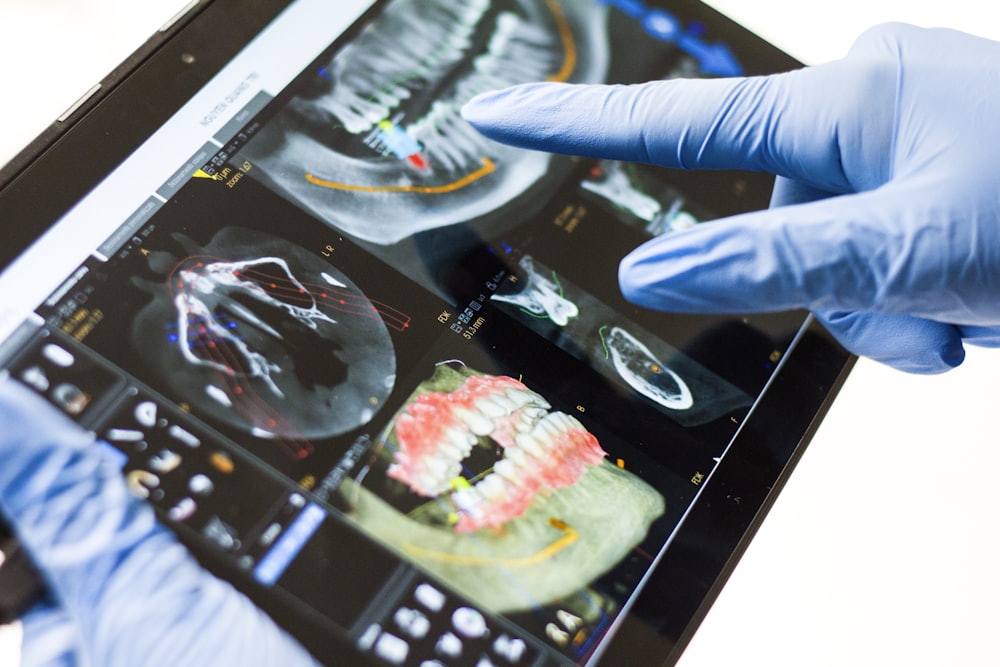
If you are weighing up implants, knowing exactly what happens at each stage makes the decision far less daunting. The process is broken into clear steps spread over several months, with most of that time spent simply healing rather than in the chair. Below is what to expect from your first appointment through to your finished tooth.
The five stages
Consultation and 3D scan
Your dentist reviews your medical history, examines your mouth, and takes a CBCT 3D scan. This maps the bone, nerves, and sinuses so the implant can be placed precisely. It is also when they confirm you have enough bone or whether a graft is needed first.
Implant placement surgery
A titanium implant post is placed into the jawbone, acting as an artificial tooth root. The procedure is done under local anesthetic, with sedation available if you prefer. Most single-implant placements take about an hour, and you go home the same day.
Healing and osseointegration
Over the next 3 to 6 months the bone fuses to the implant in a process called osseointegration. This creates a stable foundation strong enough to support a permanent tooth. A temporary tooth or cover can be worn while you heal.
Abutment placement
Once the implant has fused, a small connector called an abutment is attached to the post. This links the implant below the gum to the visible crown above it. It is a minor procedure and the gum is given a short time to settle around it.
Final crown
A custom crown, made to match the shape and shade of your natural teeth, is fitted onto the abutment. Once it is checked for fit and bite, your implant is complete and functions like a normal tooth.
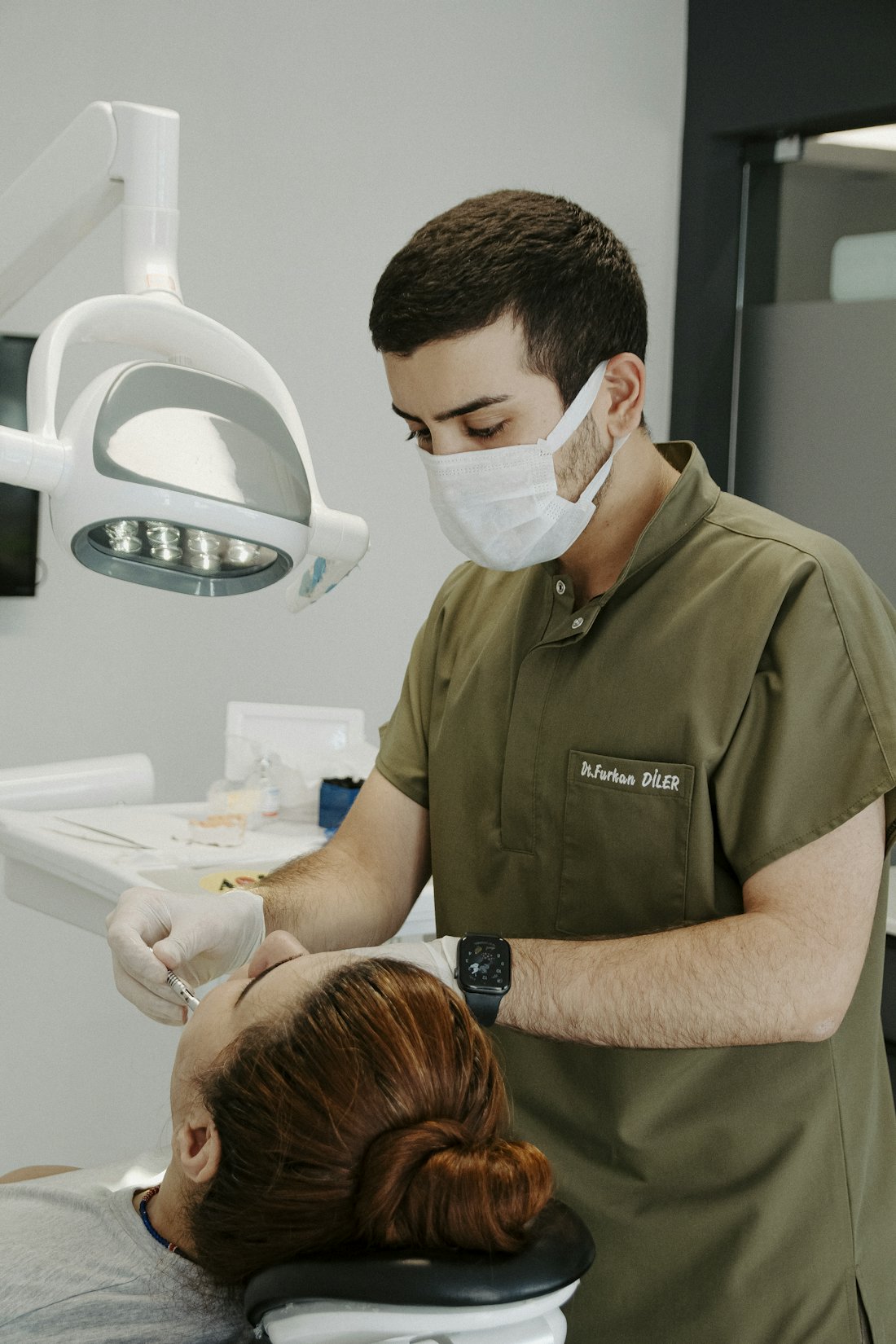
Not enough bone?
If your CBCT scan shows the jaw is too thin or soft to hold an implant, a bone graft is done before placement to rebuild the area. This adds healing time but makes implants possible for far more people. See our guide to bone grafting for what is involved.
Recovery after implant surgery
Recovery from implant placement is usually milder than people expect. Most patients have some mild swelling and soreness for 3 to 7 days, which over-the-counter pain relief and a cold compress keep comfortable. The vast majority return to work within 1 to 2 days.
For roughly the first 1 to 2 weeks you will eat soft foods such as soups, yogurt, smoothies, and eggs, chewing on the opposite side and avoiding hard or crunchy items near the surgical site. As the gum settles you can gradually return to your normal diet. Minor bleeding or bruising in the first day or two is normal; anything severe or worsening is worth a call to your clinic.
Aftercare for the long term
Once healed, an implant is cared for much like a natural tooth. Brush twice a day and floss normally around it to keep the gum healthy. Avoid smoking, which reduces blood flow to the gums and is one of the biggest factors in implants failing to fuse or lasting less time. Keep up regular checkups and professional cleanings so your dentist can monitor the implant and surrounding tissue.
With good daily hygiene and routine dental visits, implants commonly last 15 years or more, and often a lifetime. The crown may eventually need replacing through normal wear, but the implant post itself is designed to be permanent.
How long does it all take?
Total treatment time is typically 3 to 9 months, with most of it spent healing while the bone fuses to the implant. The exact timeline depends on your individual healing, whether a bone graft is needed, and how many implants you are having placed.
| Stage | Typical timeline |
|---|---|
| Consultation and 3D scan | 1 visit |
| Implant placement surgery | About 1 hour, same day |
| Initial recovery (swelling, soreness) | 3-7 days |
| Soft-food period | 1-2 weeks |
| Healing and osseointegration | 3-6 months |
| Abutment placement | 1 visit |
| Final crown fitted | 1 visit |
| Start to finish | 3-9 months |
Costs vary by case and city, so it is worth understanding the full picture before you commit. See our dental implant cost guide for typical Canadian pricing, and our advice on how to choose a clinic when you are ready to book consultations.
Common questions
Is the dental implant procedure painful?
How long does the whole process take?
How long is recovery after implant surgery?
What can I eat after the surgery?
Why does smoking matter for implants?
How do I care for the implant long term?
Ready to take the first step?
Request free quotes from vetted dental implant clinics in your city and compare treatment plans.
Get free quotes →